͏ ͏ ͏ ͏ ͏ ͏ ͏ ͏ ͏ ͏ ͏ ͏ ͏ ͏ ͏ ͏ ͏ ͏ ͏ ͏ ͏ ͏ ͏ ͏ ͏ ͏ ͏ ͏ ͏ ͏ ͏ ͏ ͏ ͏ ͏ ͏ ͏ ͏ ͏ ͏ ͏ ͏ ͏ ͏ ͏ ͏ ͏ ͏ ͏ ͏ ͏ ͏ ͏ ͏ ͏ ͏ ͏ ͏ ͏ ͏ ͏ ͏ ͏ ͏ ͏ ͏ ͏ ͏ ͏ ͏ ͏ ͏ ͏ ͏ ͏ ͏ ͏ ͏ ͏ ͏ ͏ ͏ ͏ ͏ ͏ ͏ ͏ ͏ ͏ ͏ ͏ ͏ ͏ ͏ ͏ ͏ ͏ ͏ |
|
|
Good morning! Microsoft's good vibes shifted the market mood considerably this week. Its energy and enthusiasm tipped stocks into a major comeback on Thursday despite the bond market's unvarnished scorn for Wednesday's Fed presentation that took 30-year Treasury yields to a multi-decade high. The S&P 500 (^GSPC) ended up gaining 1.7%, the Dow (^DJI) 1.2%, and the Nasdaq (^IXIC) 2.8%. |
- Microsoft's round of applause is a clear signal
- Apple and Amazon broaden the Big Tech picture
- The Fed's credibility problem
- The worst line from Meta’s earnings call
- The SEC is probing 23-hour trading days
| What we're watching Friday: Besides watching investor reactions to Apple (AAPL) and Amazon (AMZN), the week closes strong with reports from oil majors ExxonMobil (XOM) and Chevron (CVX), as well as a fresh round of consumer survey data from the University of Michigan. |
|
|
 | Headlines | |
|
|
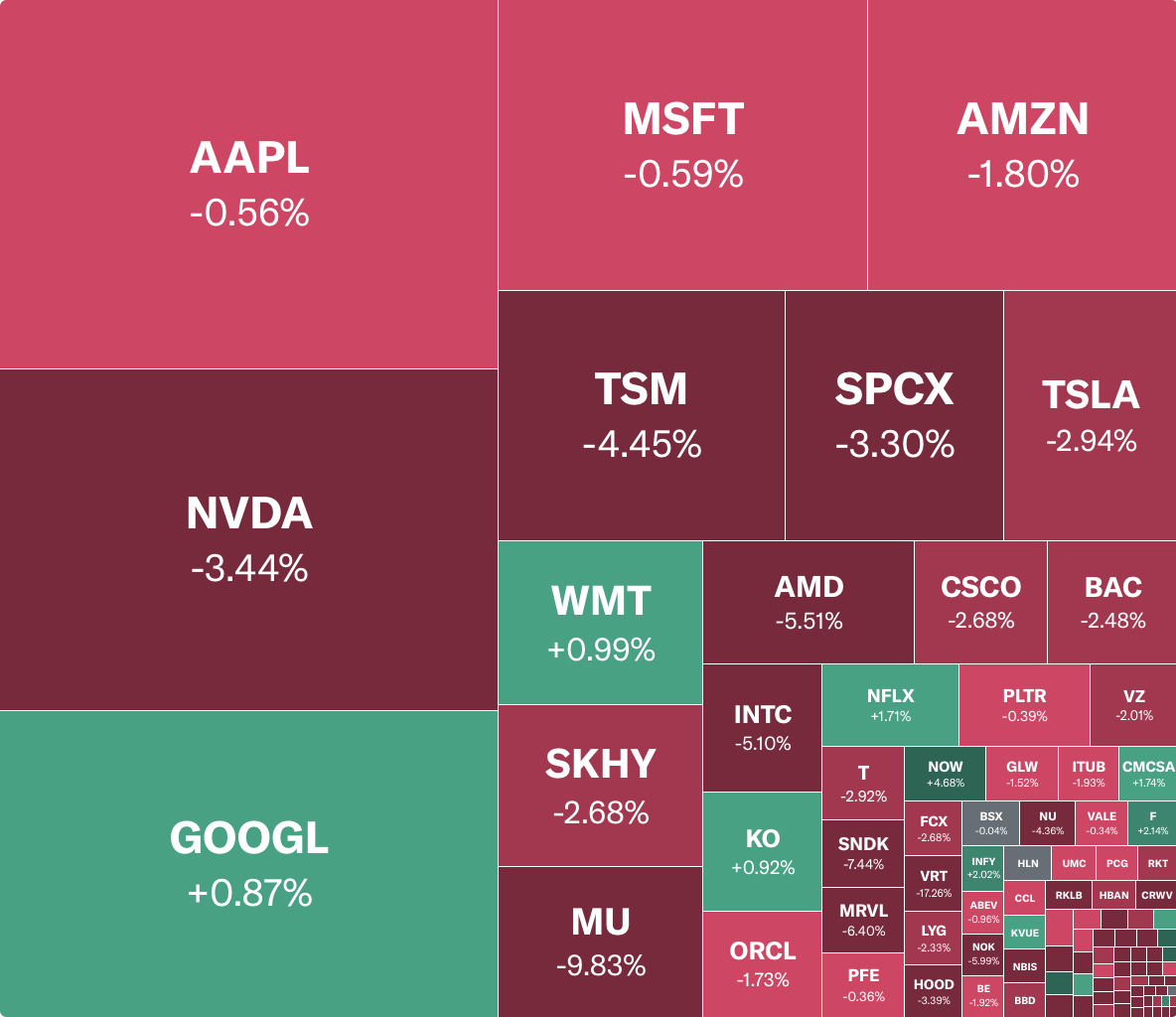
 | Market snapshot Key market moves from last session | |
| Powered by  See the bigger picture. See the bigger picture. | |
|
|
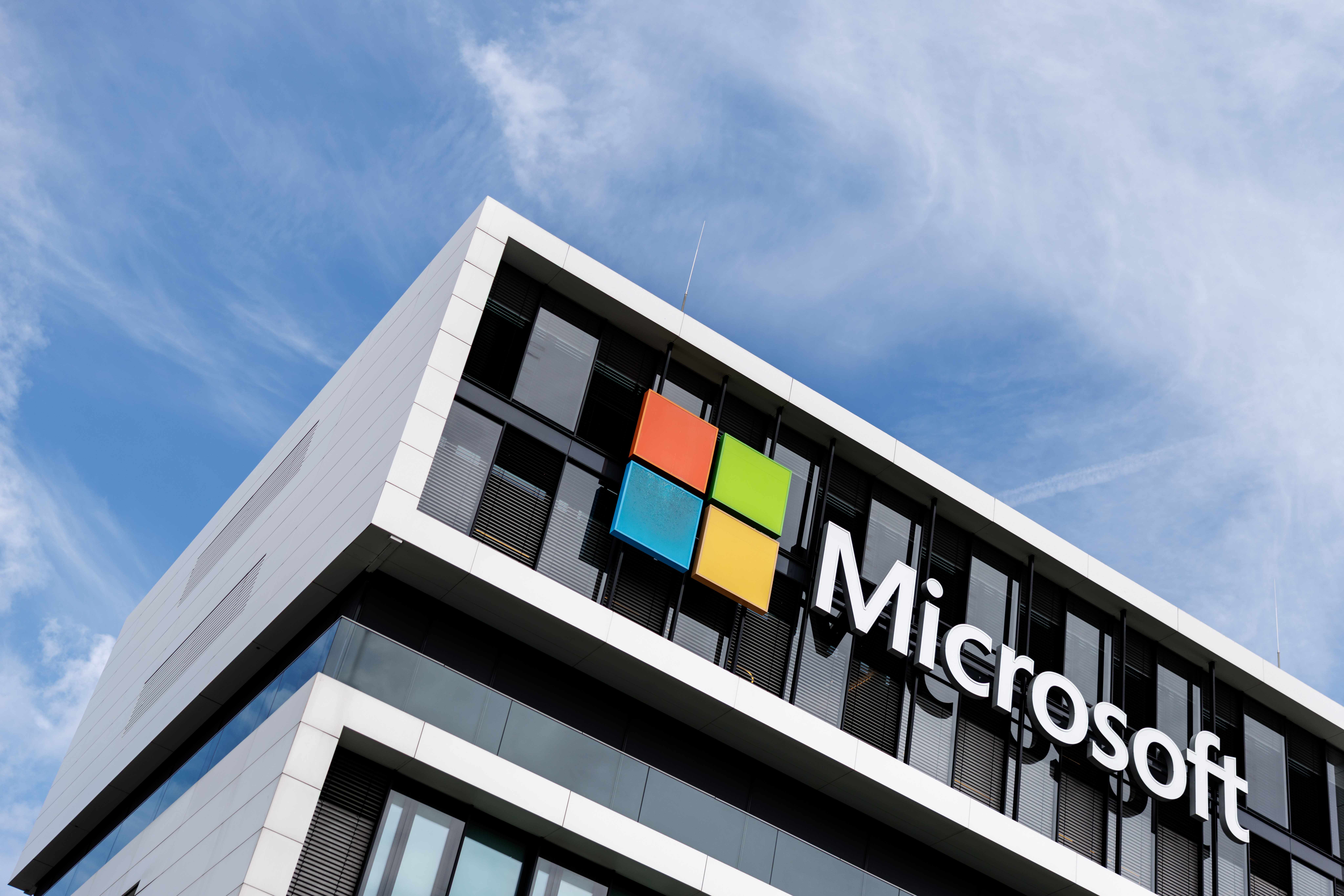
Microsoft's round of applause is a clear signal |
Blue skies for Microsoft. (Matthias Balk/picture alliance via Getty Images) |
If this earnings season is a test, Microsoft has passed with distinction. On Thursday, investors gave the company's stock a 16% gain, the closest thing to a round of applause. That's its best day since 2008. And all it did was essentially live within its means. Sure, the company spent a record sum on its AI infrastructure projects: a whopping $41 billion. But though that was a 70% surge, coming in below the $42 billion expected, while its Azure cloud segment grew more quickly than expected, proved to be the winning combination that telegraphed responsibility alongside ambition. Even more, it shows that the bets are paying off as the expansion is converting into actual moneymaking. While Microsoft is still down for the year with plenty of challenges, we've now seen just how much investors want to see real returns. Meanwhile, Meta fell 9% as it spent more and made less than expected. |
|
|
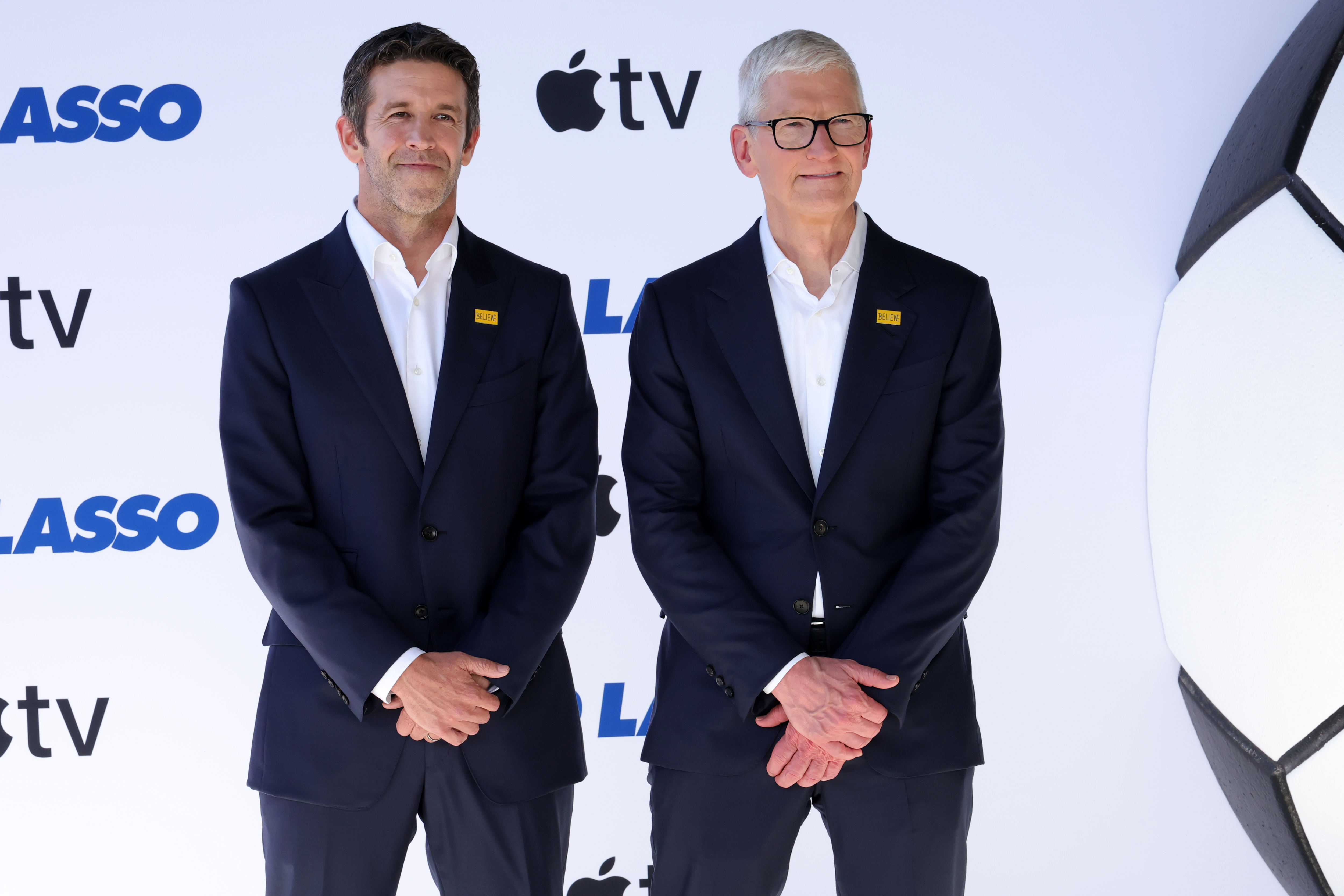
Apple and Amazon broaden the Big Tech picture | (L-R) Future CEO John Ternus, SVP, Apple and Tim Cook, CEO, Apple attend the premiere of Apple TV's "Ted Lasso" Season 4 at the Academy Museum of Motion Pictures on July 27, 2026 in Los Angeles, California. (Kevin Winter/Getty Images) |
Apple and Amazon put up their numbers to close out this week's heavy hitters and give a near-complete view of Big Tech, with Nvidia still weeks away from reporting. Amazon surpassed financial expectations and showed booming cloud growth, the fastest in 18 quarters. The little retail mom-and-pop business? That's doing well too, and apparently innovating significantly, showing faster and faster delivery. Though its AI investment is still massive, robust momentum and accelerating cloud sales echo Microsoft's picture of a business that seems to be putting itself in the right place at the right time. Just how much credit investors will give to that remains to be seen as analyst notes trickle in, but a sharp after-market bump looked very positive. Apple, meanwhile, is doing what it does best: selling iPhones. But Big Tech's safest stock didn't offer much beyond that promise of safety, showing services growth below expectations and some anxiety about growing chip costs that are percolating down to the general public. One big question for Friday: With the hyperscaler trade seemingly reignited by Microsoft and Amazon, will Apple's role as an AI-light tech oasis mean that it finds itself in the back seat again? |
|
|
The worst line from Meta’s earnings call |
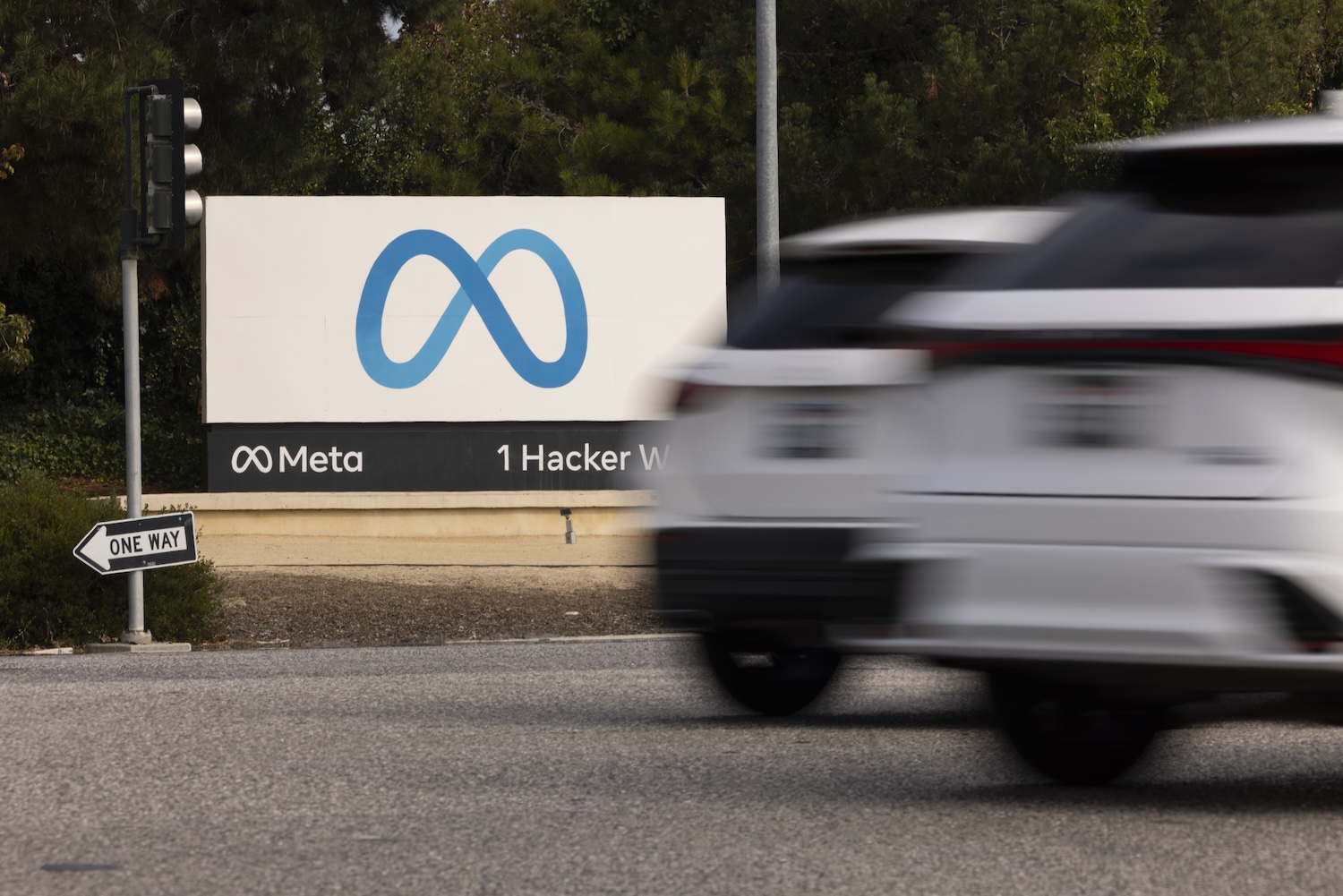
Menlo Park, California, USA - October 29, 2025: Morning traffic passes the headquarters of Meta, the corporate offices of Facebook and Instagram. |
Meta's financials and 2026 spending plans pained investors. But what pained them even more was a simple line from CFO Susan Li. "We aren't providing a specific outlook for 2027 capex at this time." One hallmark of this bull market's resiliency has been the singular ability to heal from a perceived financial black eye. A new tariff regime comes in, a Chinese AI upstart, a massive oil shock? Investors have been quick to make their peace with higher expenses and challenging outlooks and go back to the reasons why things are good. But uncertainty does not allow for healing. You need to know how bad the wound will be to accept it and move on, something that Meta did not deign to give its investors. That the company judged no news isn't as bad as bad news, amid that investor perspective, is especially telling. After all, Meta has dropped some big spending bombs on its earnings outlooks over the past few years. But to be fair, with AI's speed, it's hard to know what things will be like a quarter from now, let alone by the end of 2027. Investors may not like that, but they'll have to learn to live with it. |
|
|
The SEC is probing 23-hour trading days |
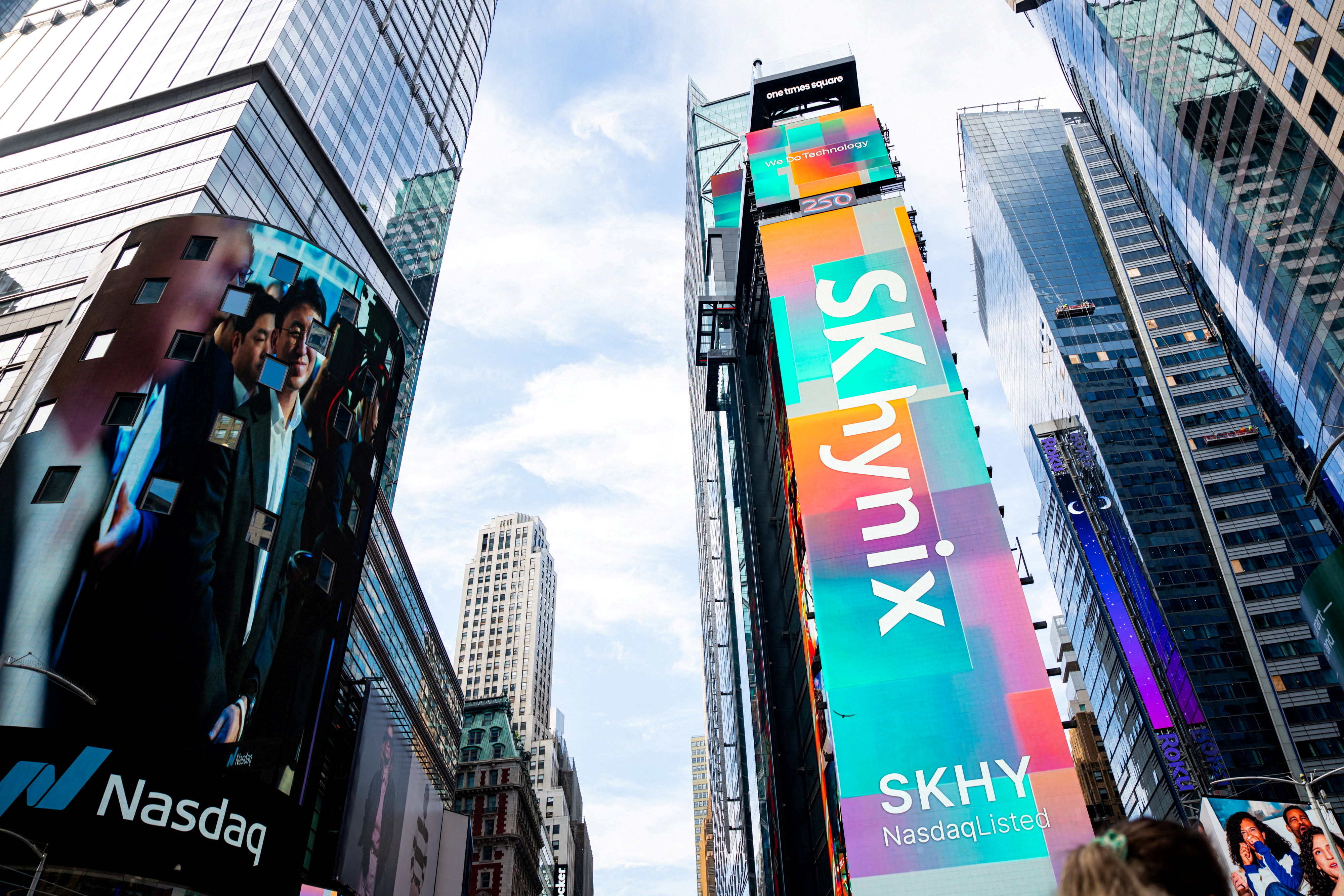
An advertisement featuring Semiconductor and memory chip company SK Hynix on the side of a building during the company's debut at the Nasdaq market in New York City, U.S., July 10, 2026. (REUTERS/Angelina Katsanis/File Photo) |
The stock market is currently open 6.5 hours per day. For some, that’s enough. For others, like resident Bloomberg market philosopher Matt Levine, maybe that’s too much, and we ought to do just 30 minutes, leaving the rest of the day for research, other work, leisure, or other productive pursuits. If markets can pause amid massive volatility for a moment of reflection and digestion of news, maybe this would be good every day, he wrote on March 9, 2020. (Remember that time?) This is not the direction things are going in. The SEC is investigating solutions to let the markets stay open for 23 hours of the day, five days a week (mercifully). Potentially this fall. The idea: It’s 9:30 a.m. somewhere, and why should the market close beyond an hour for maintenance? Let us know what you think! |
|
|
 | Earnings and economic calendar | |
- Economic data: MNI Chicago PMI, July (56.7 previously); U. Mich. sentiment, July final reading (54.4 previously); U. Mich. current conditions, July final reading (54.9 previously); U. Mich. expectations, July final reading (54 previously); U. Mich. 1-year inflation, July final reading (+4.2% previously); U. Mich. 5-10 year inflation, July final reading (+3.3% previously).
- Earnings calendar: ExxonMobil (XOM), Chevron (CVX), AbbVie (ABBV), Linde (LIN), Eaton Corporation (ETN), Sony Group (SONY), Colgate-Palmolive (CL), Imperial Oil (IMO.TO), Dominion Energy (D), Cameco Corporation (CCJ), Cboe Global Markets (CBOE), Fortis (FTS), Ares Management Corporation (ARES), T. Rowe Price Group (TROW), Moderna (MRNA), AutoNation (AN).
|
|
|
Yahoo Finance App: Portfolio performance, news and alerts, stock data and all you need in a finance app. Download now. |
|
|
If you like what we do, please forward us to a friend. If you're not already subscribed, sign up right here. |
|
|
|